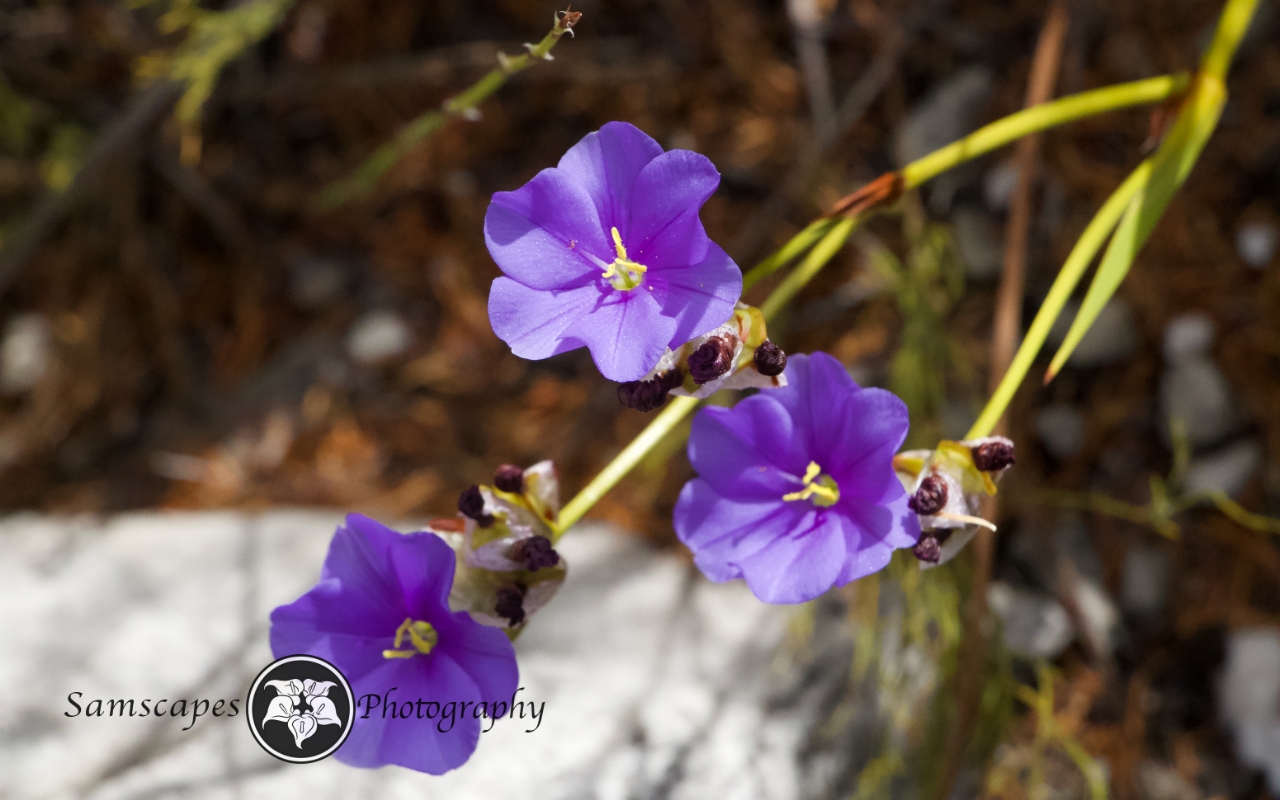

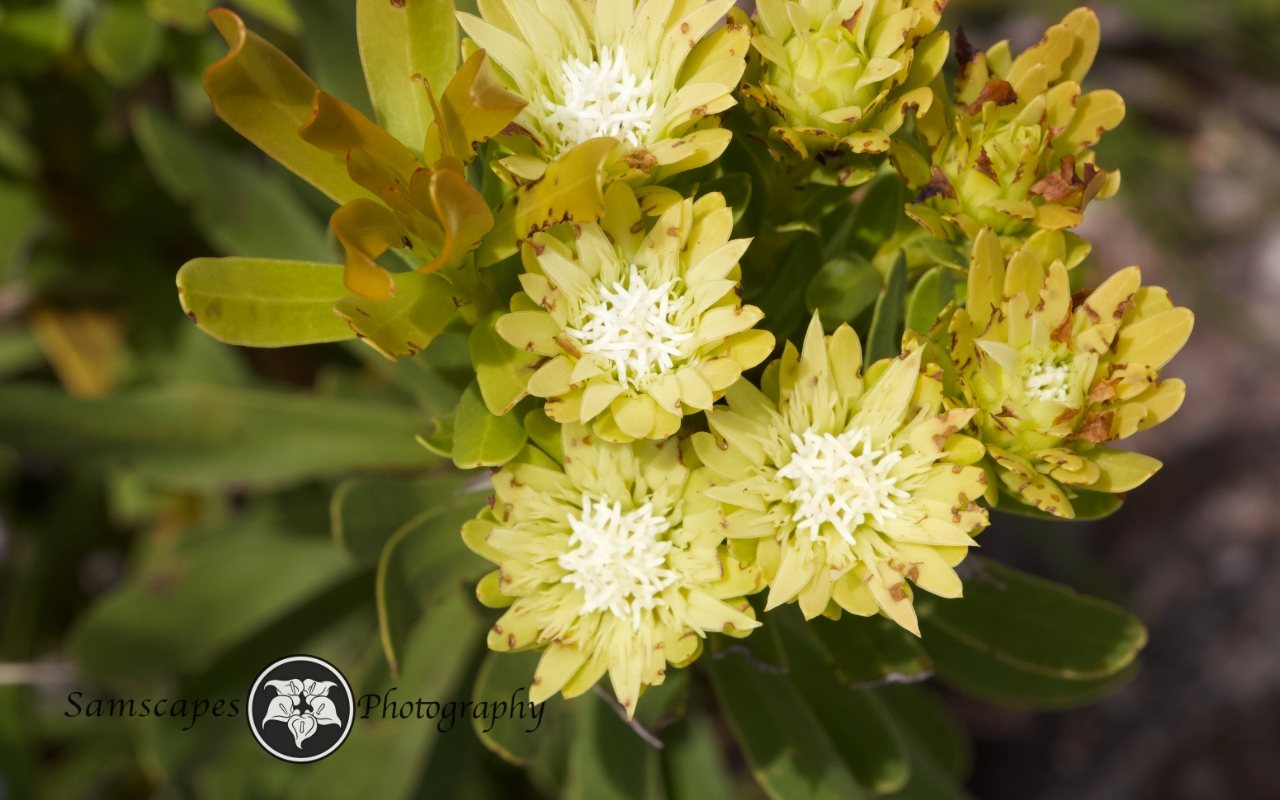
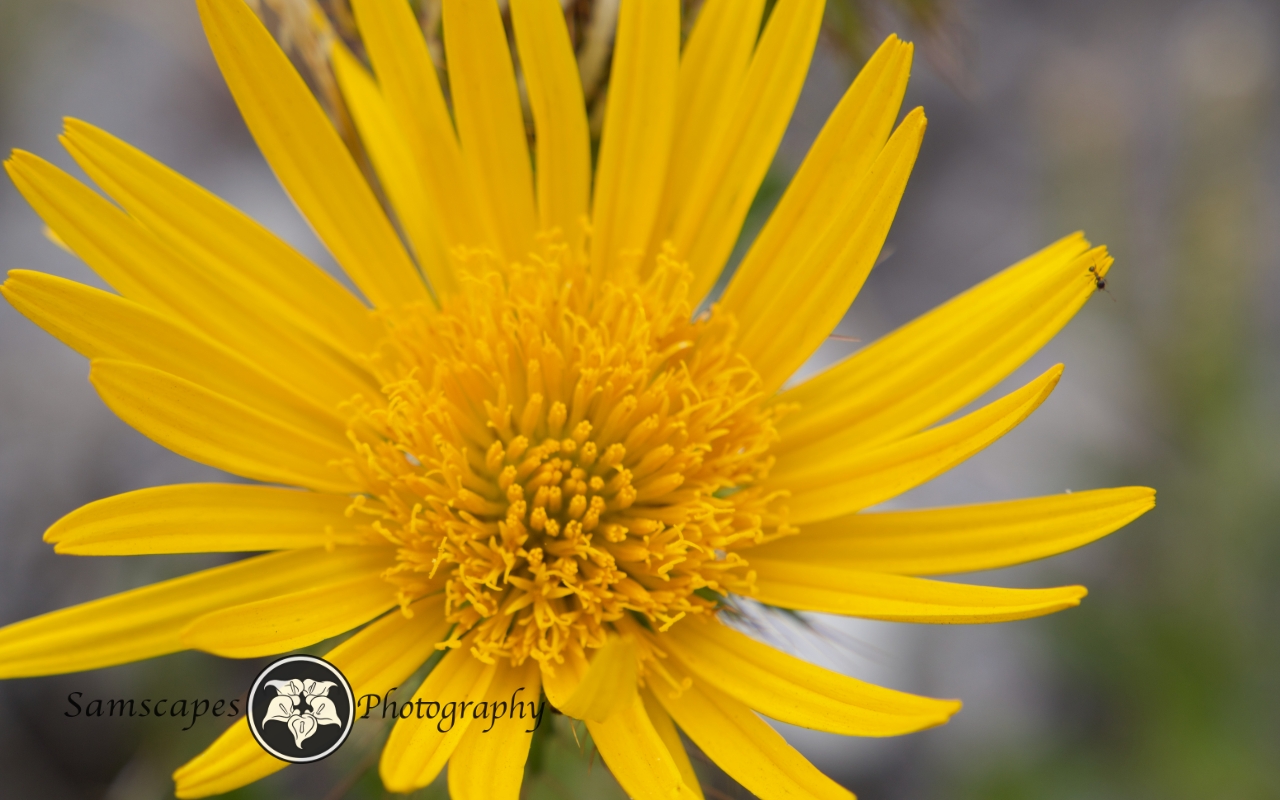
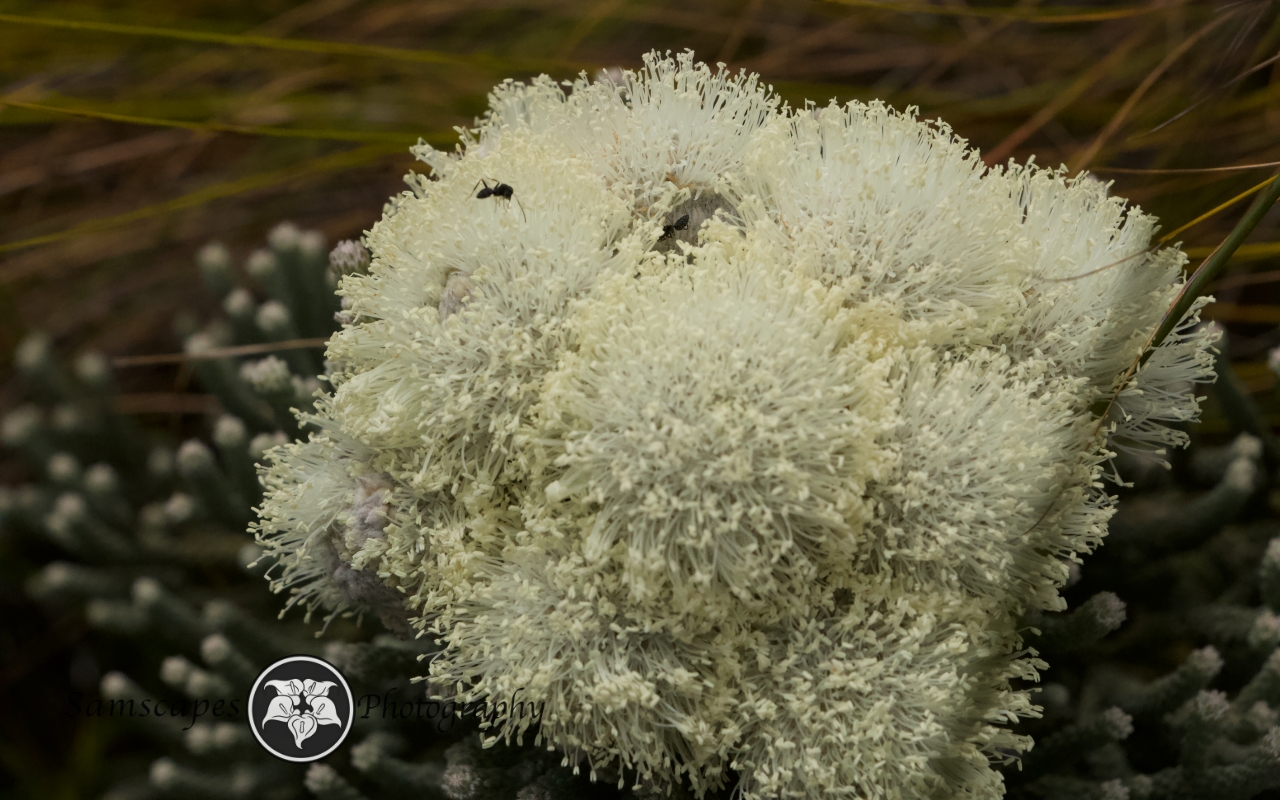
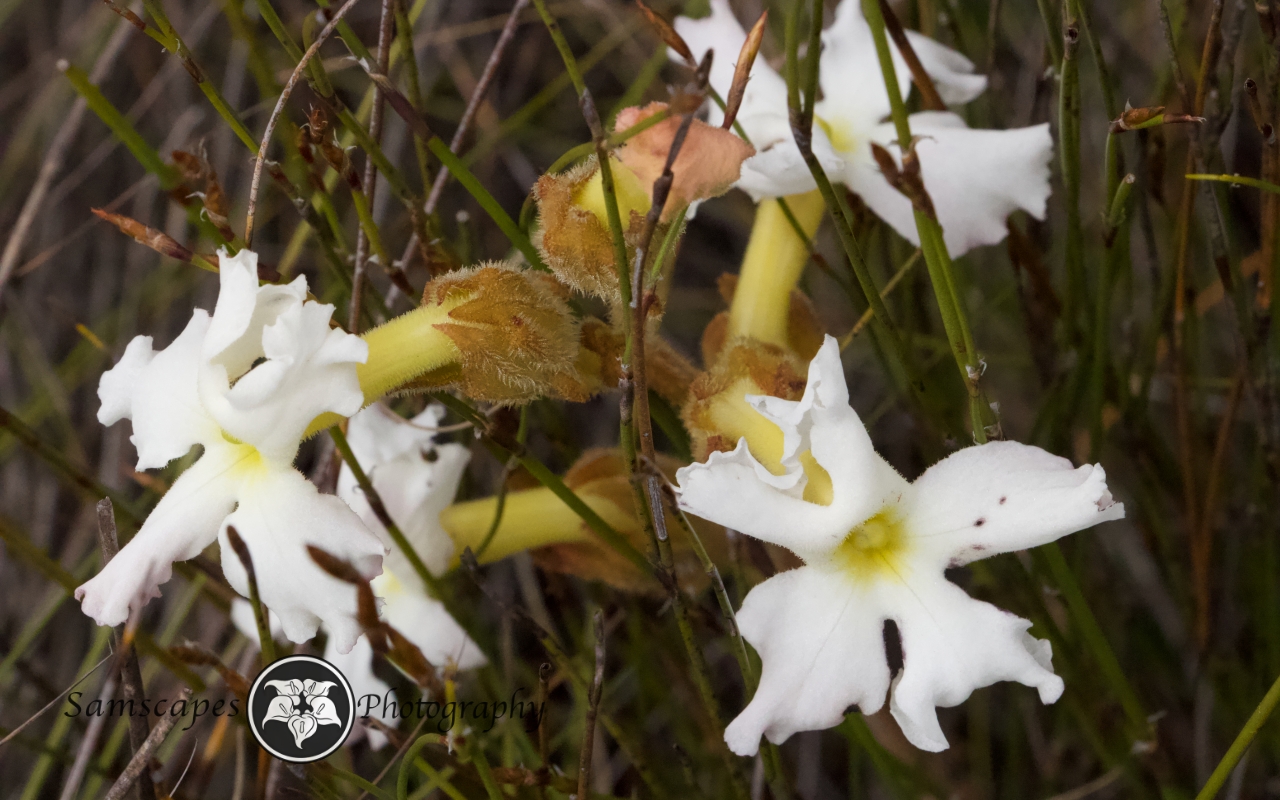
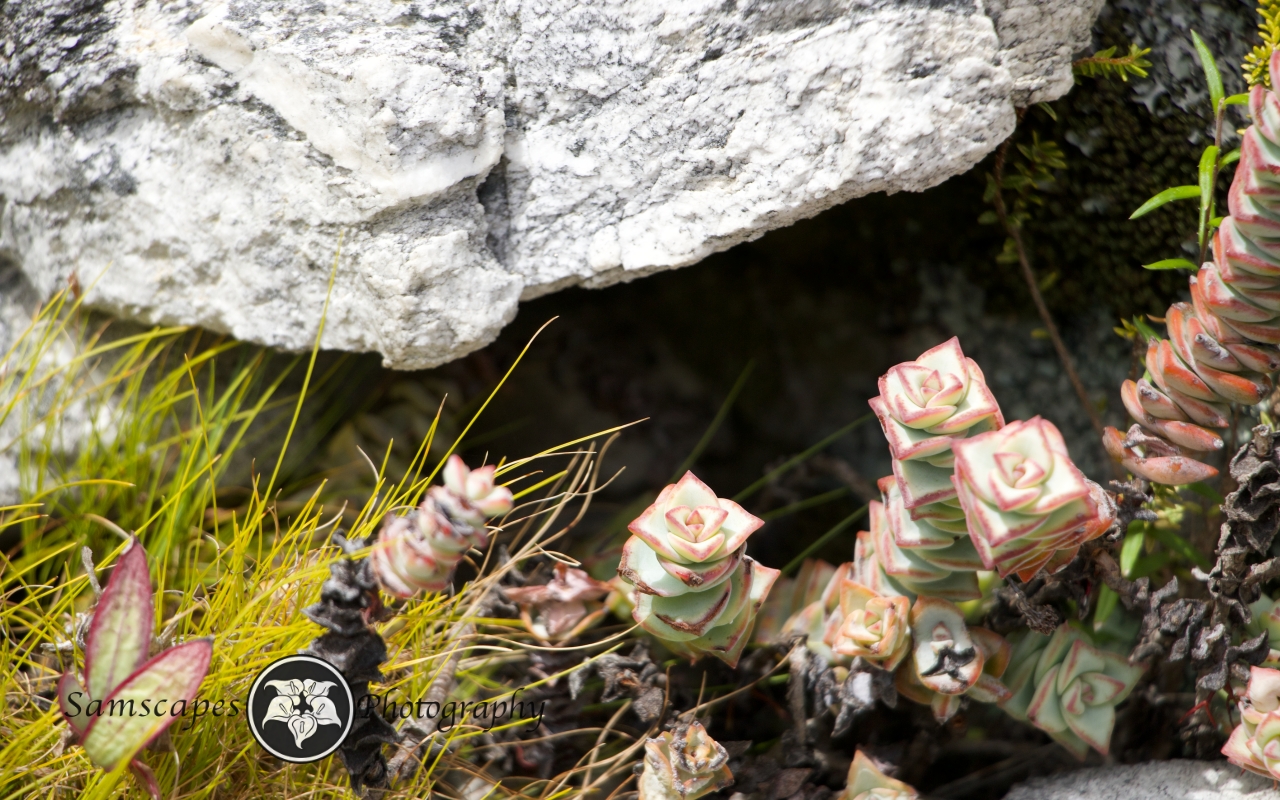
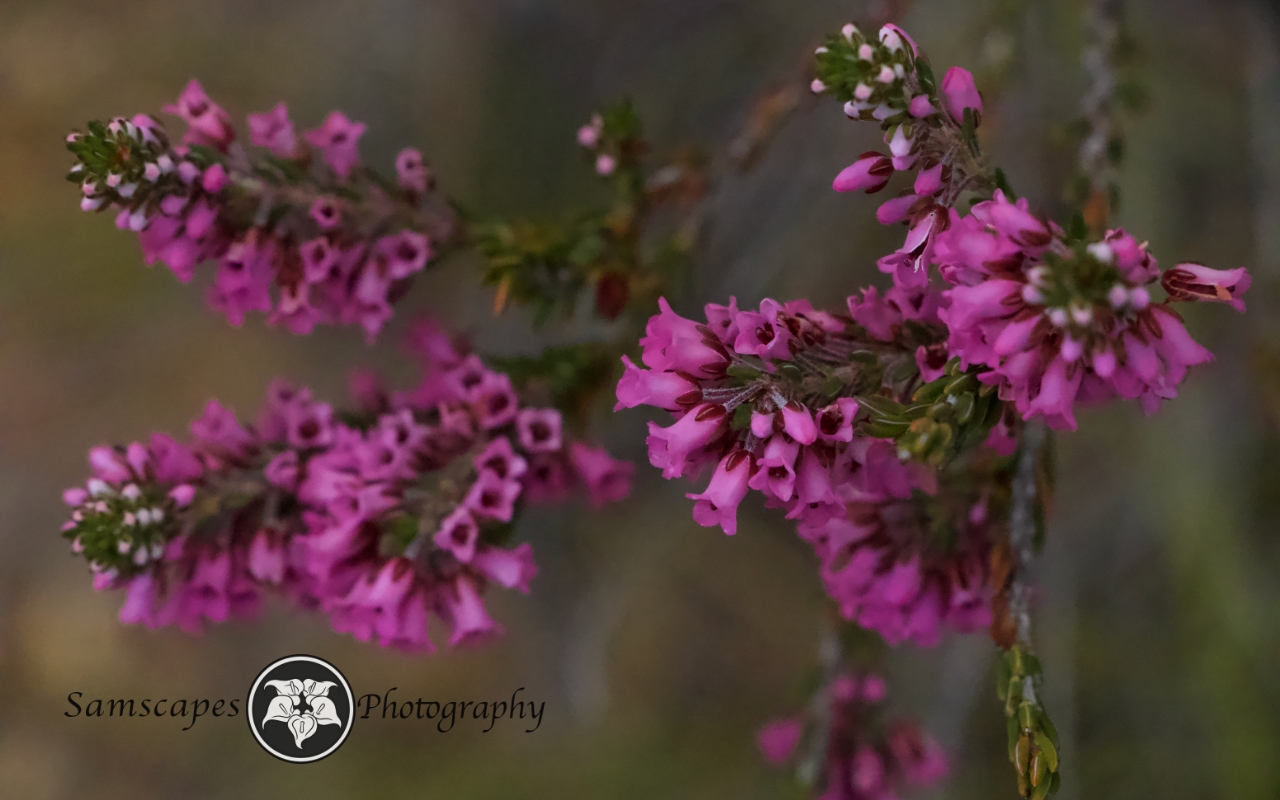
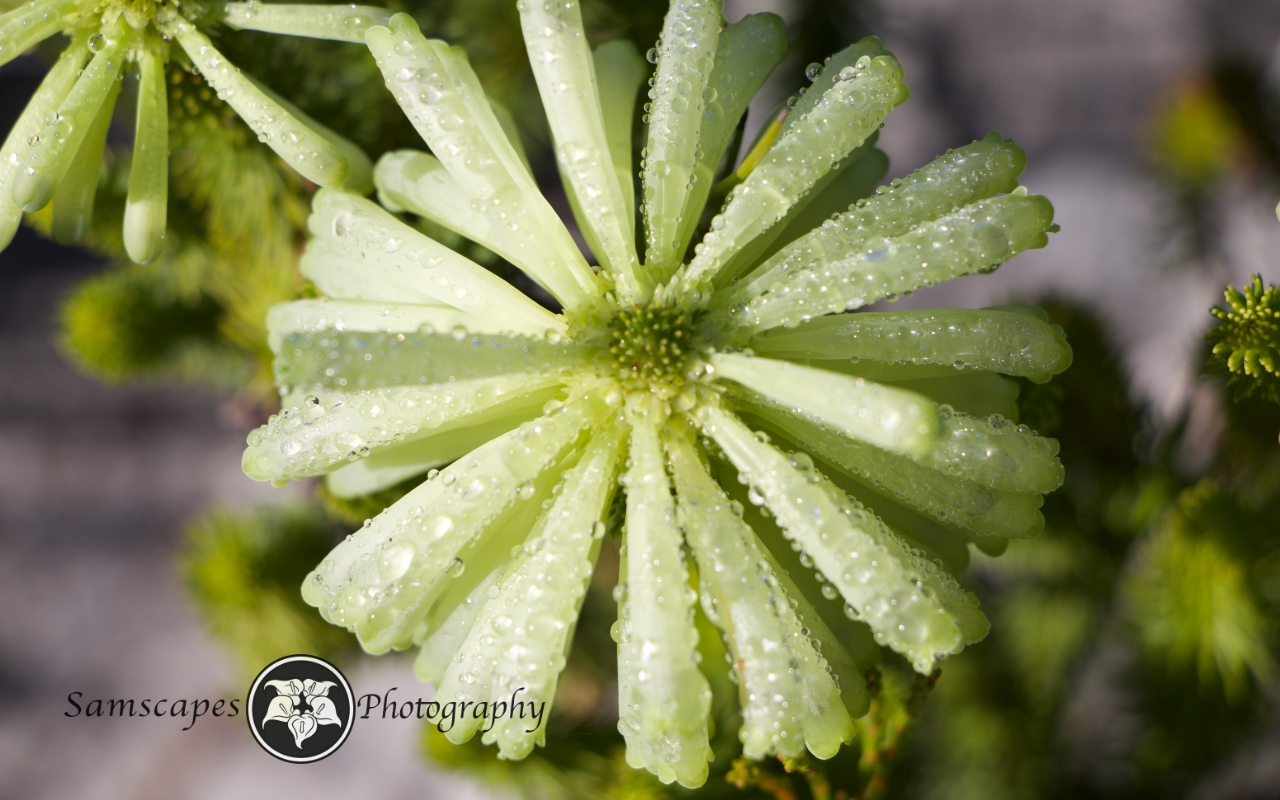
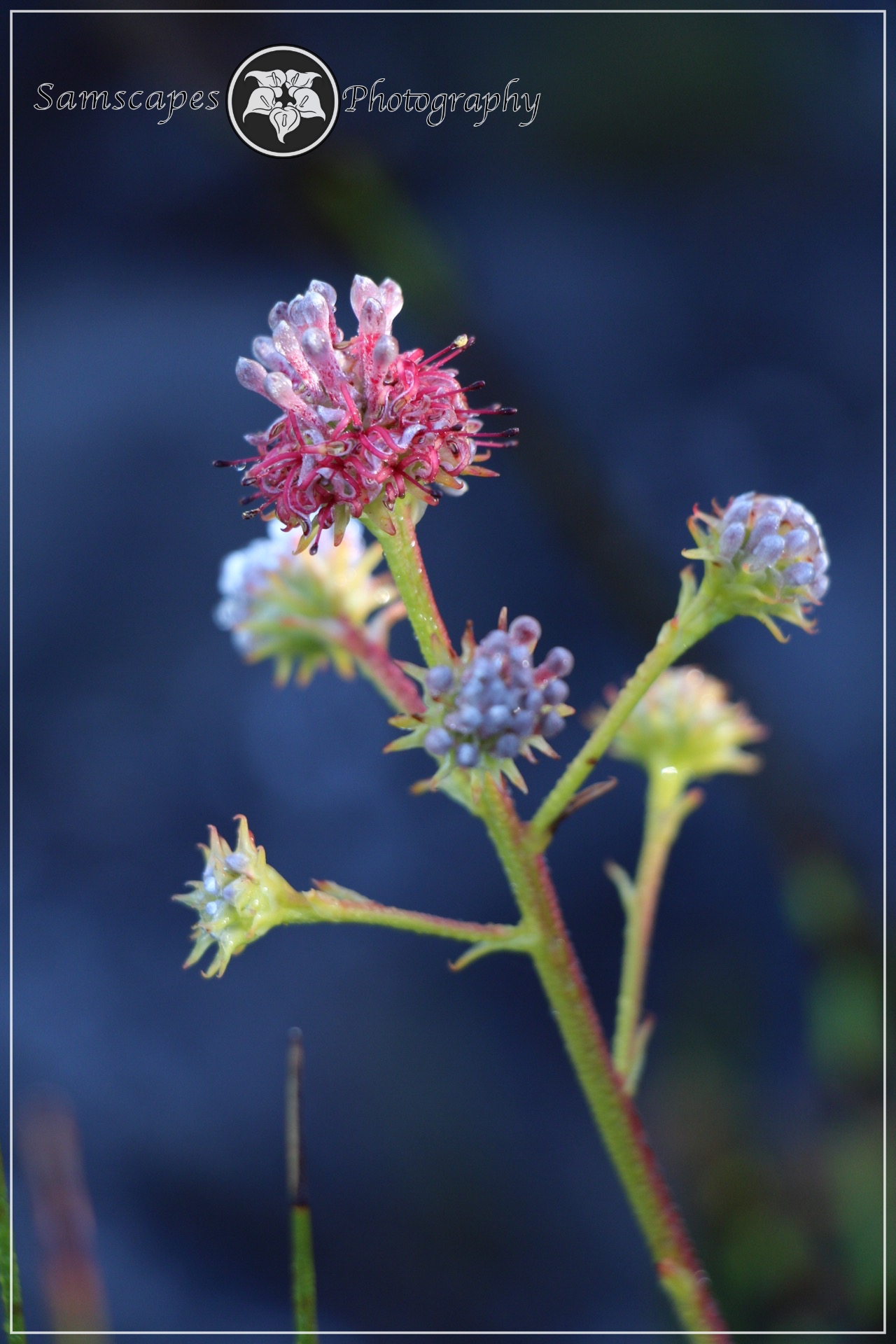
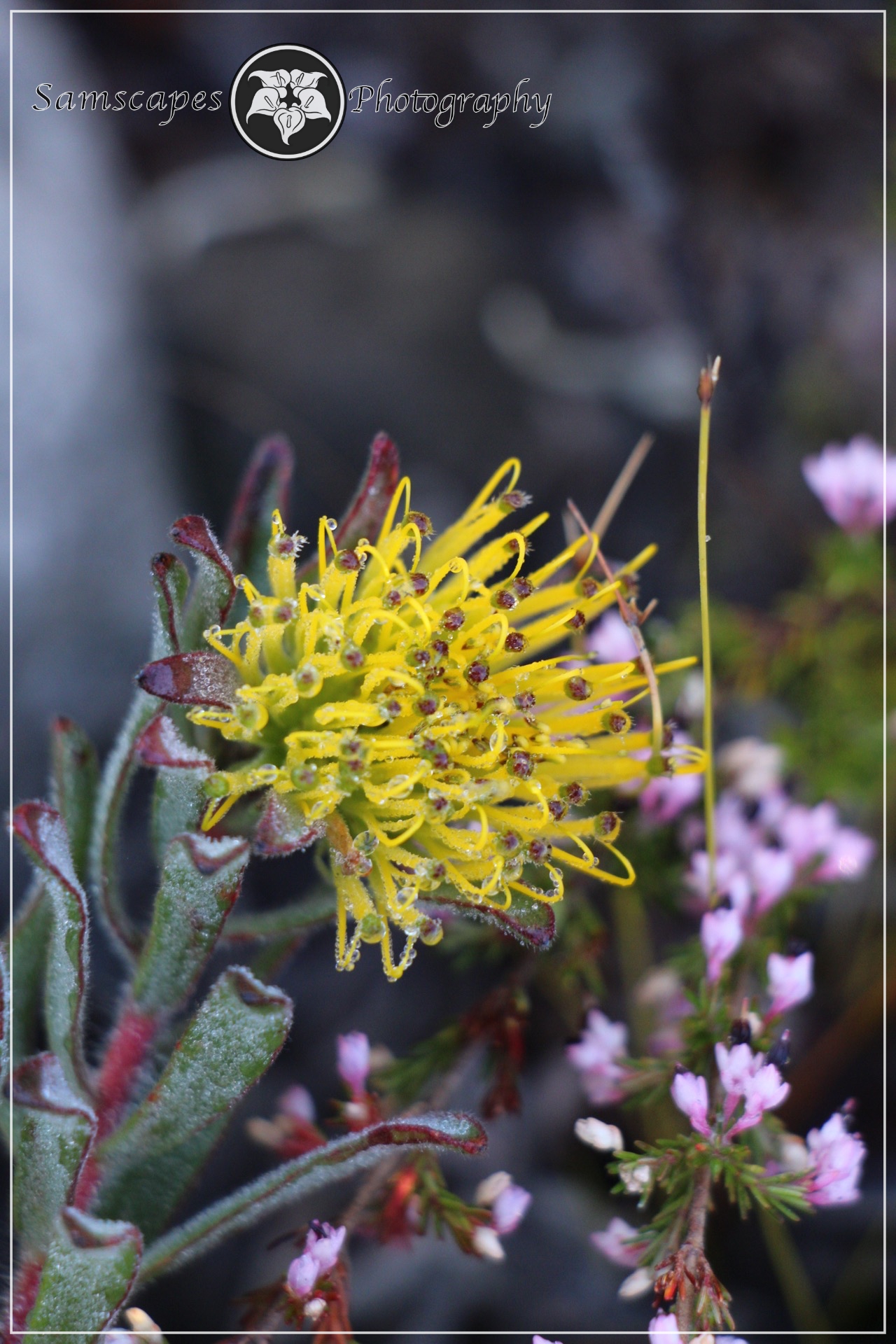
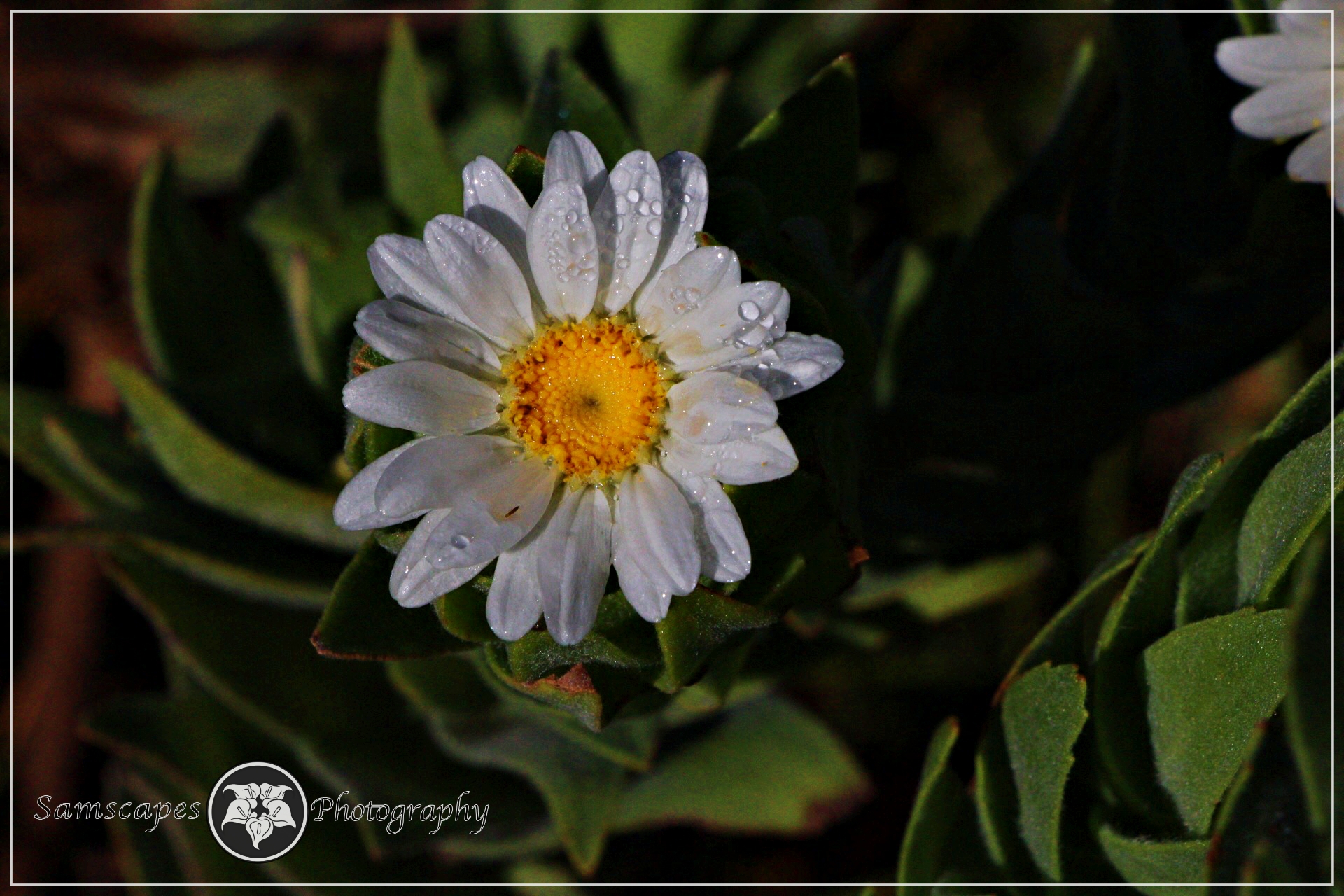

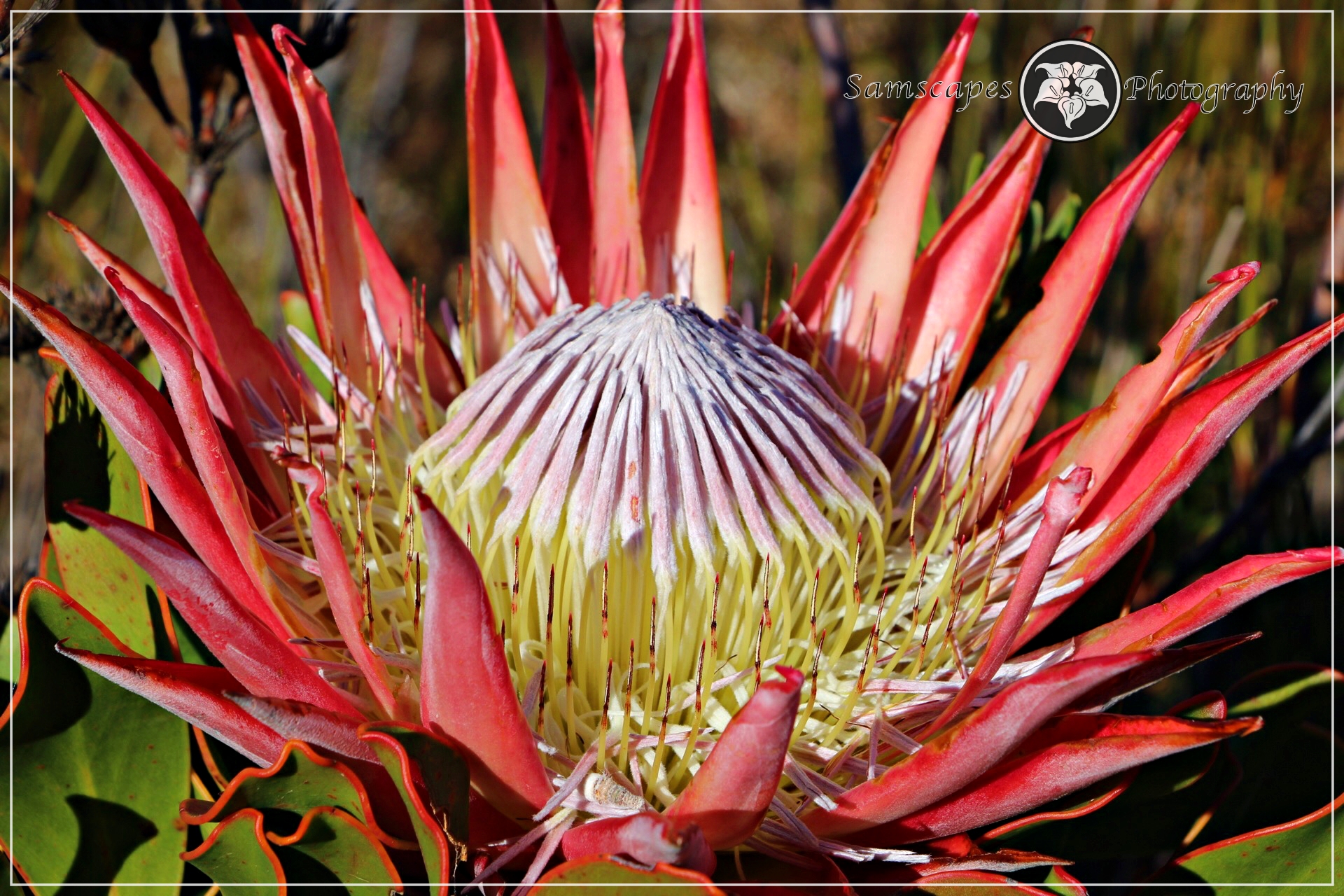
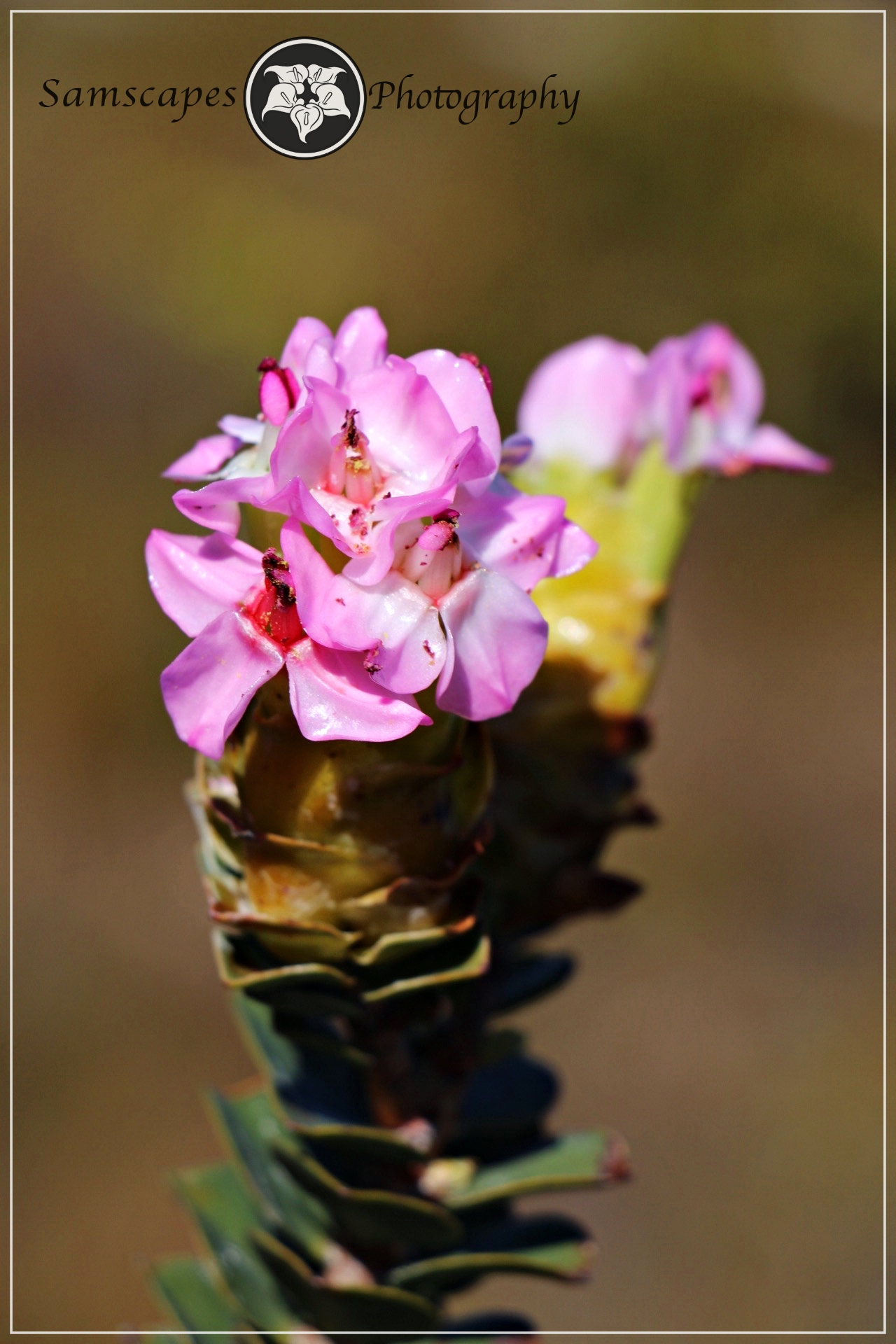
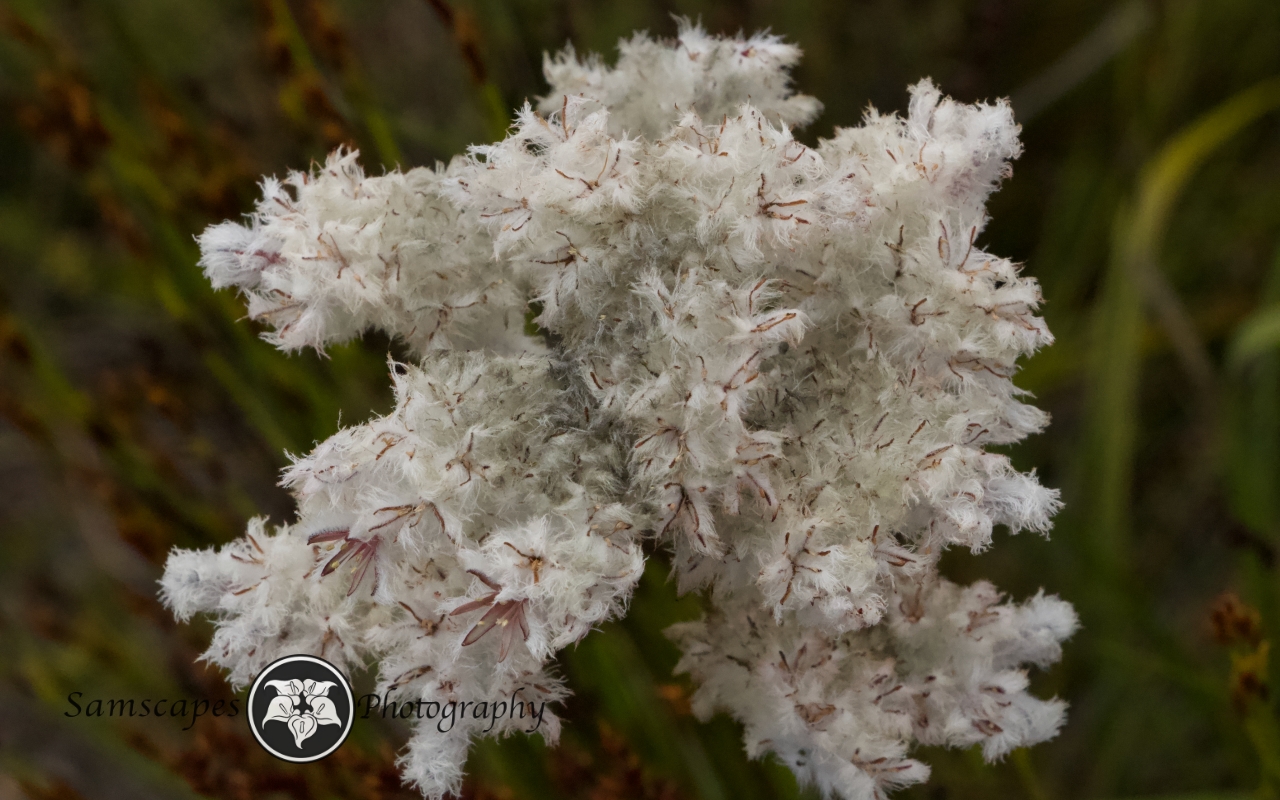
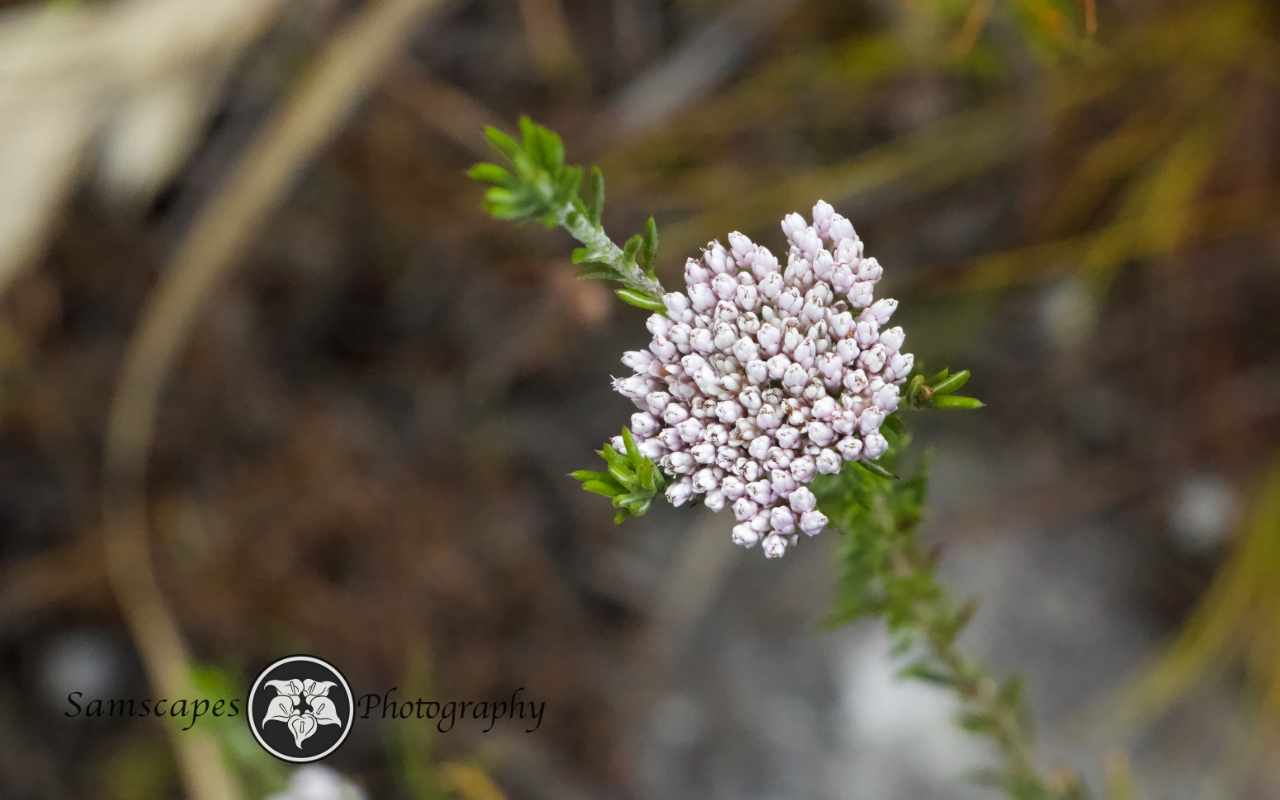
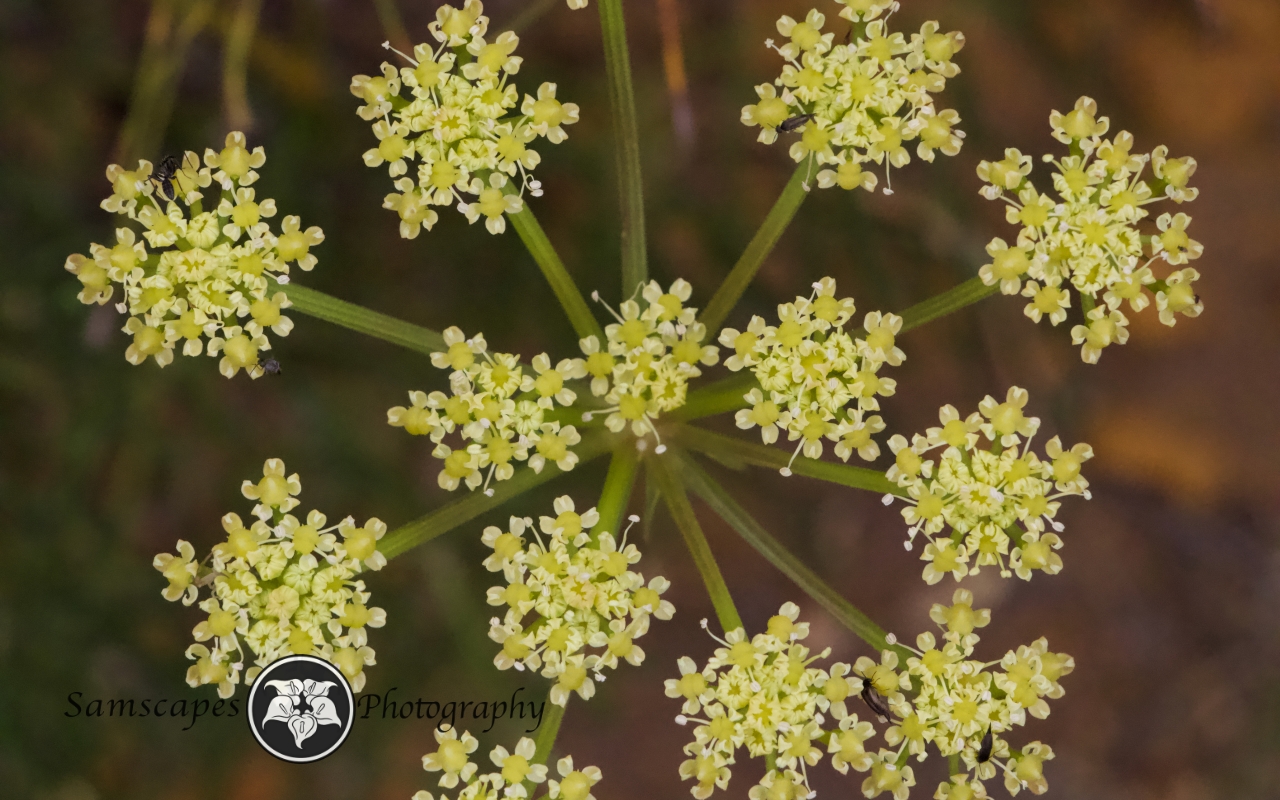
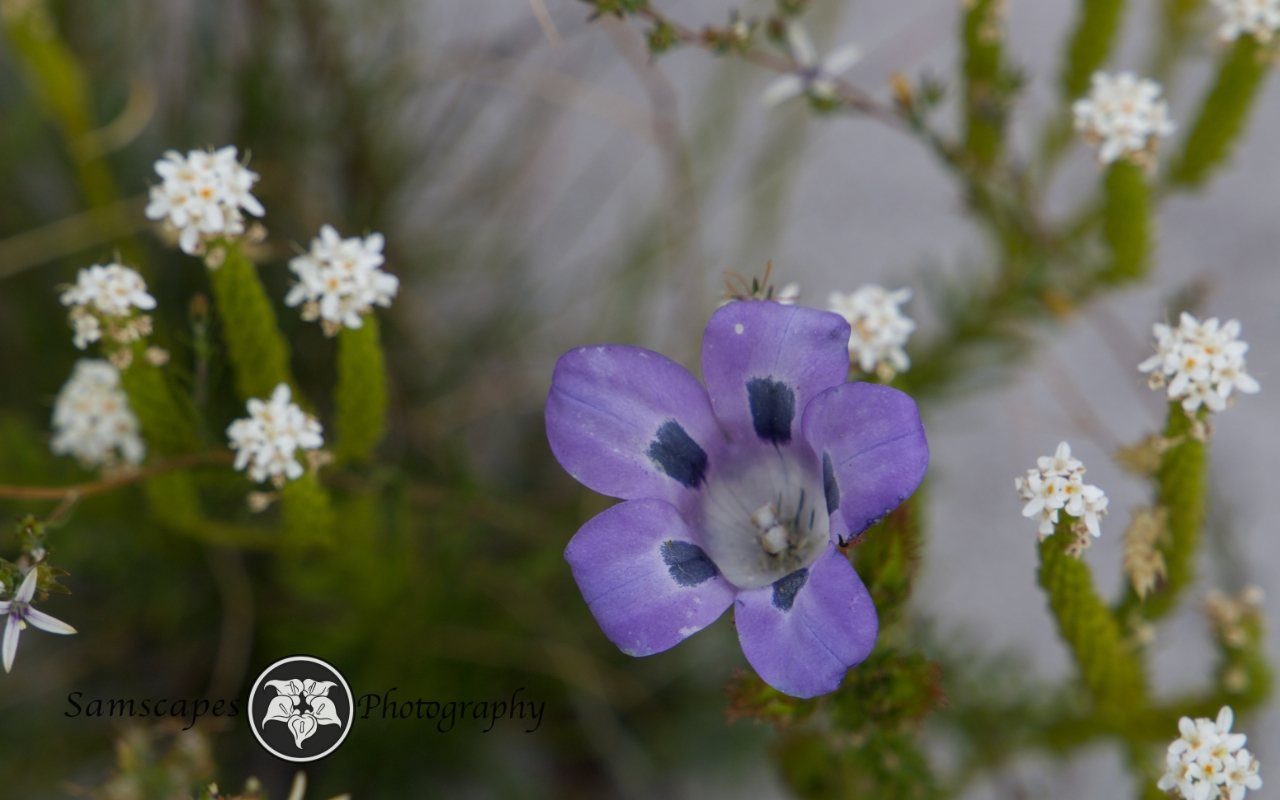
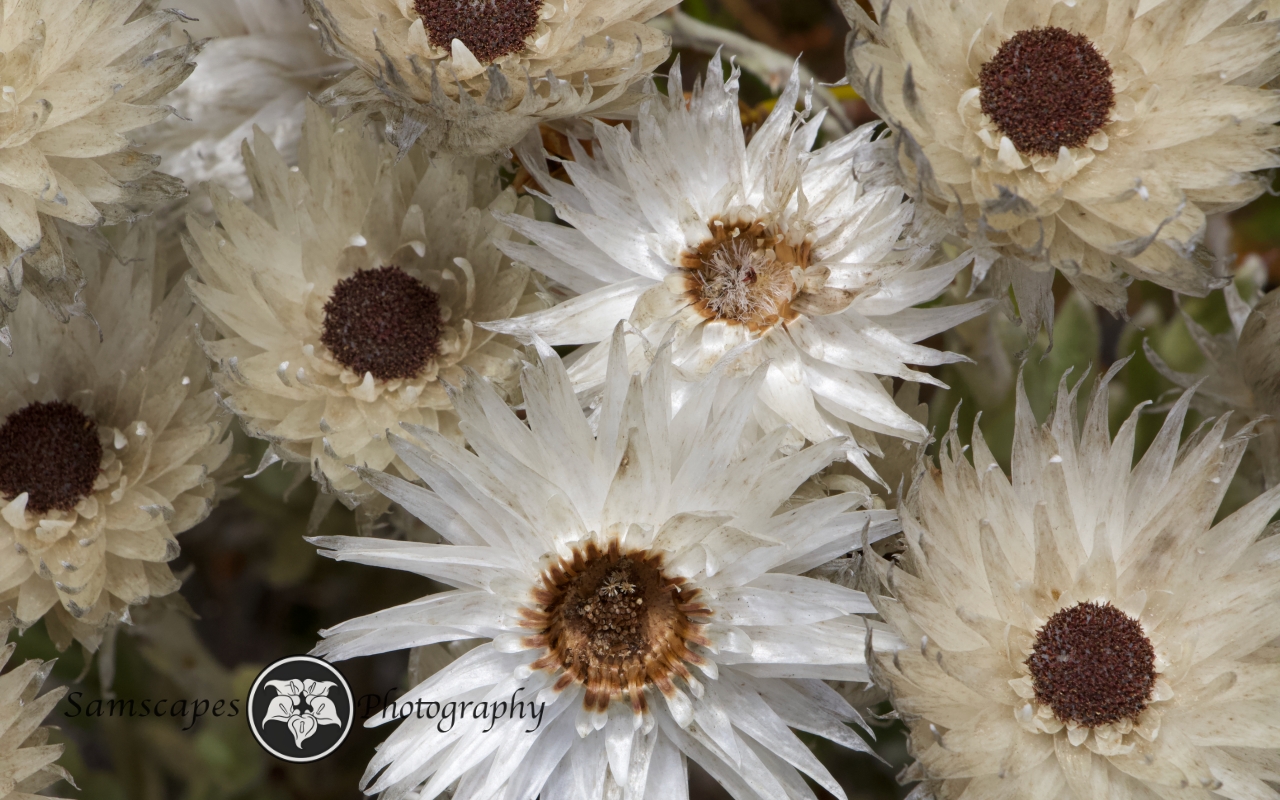
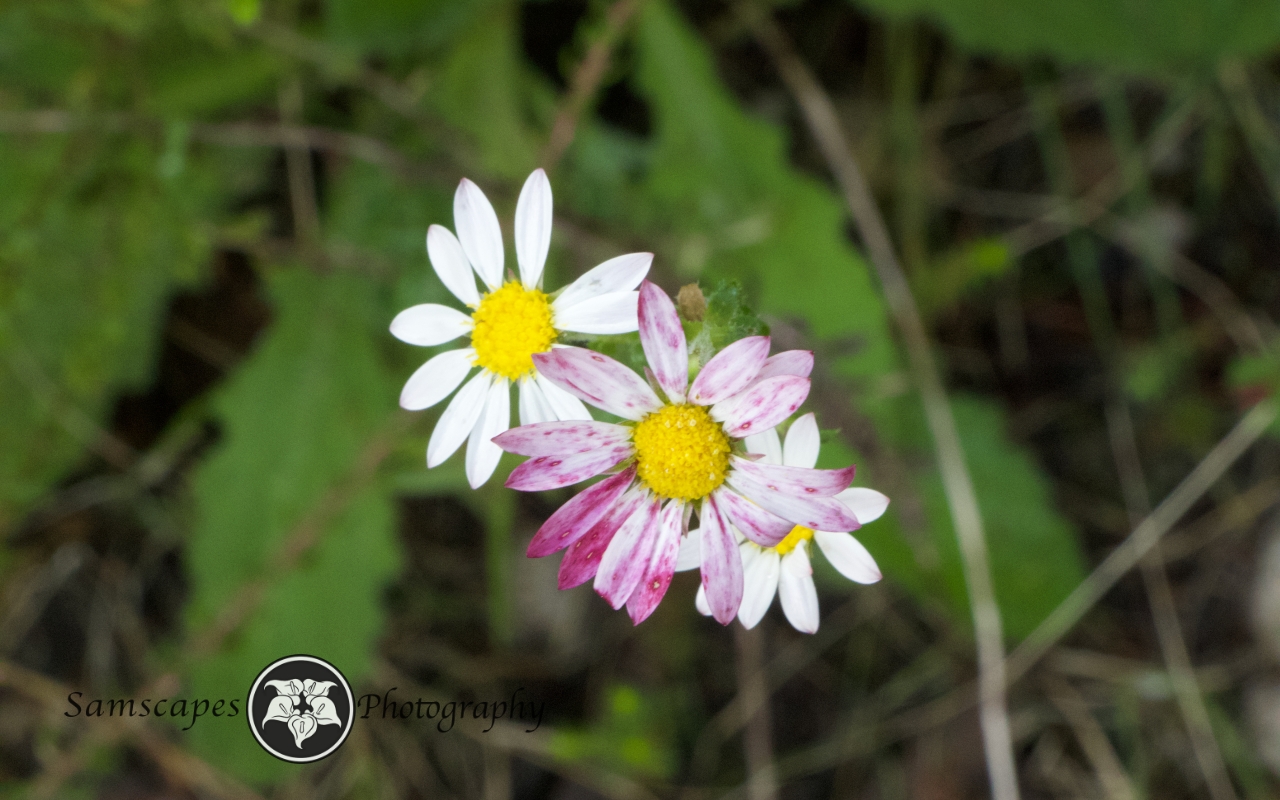
6 Million years ago a visitor to South Africa would would not have seen the seen the fynbos as we do today. The landscape was covered in palm forest and other non-flowering seed-bearing plants with any fynbos that we would recognise today, competing in the undergrowth and at the fringes.
The fynbos biome comprises up to 80% of the the plants of the Cape Floristic Region, making it one of the richest regions on earth in terms of plant diversity. This has led to “fynbos” often being used interchangeably with “Cape Floral Kingdom”. Not accurate, as all fynbos are part of the Cape Floristic Region, but not all the species in the region occur exclusively in the fynbos.
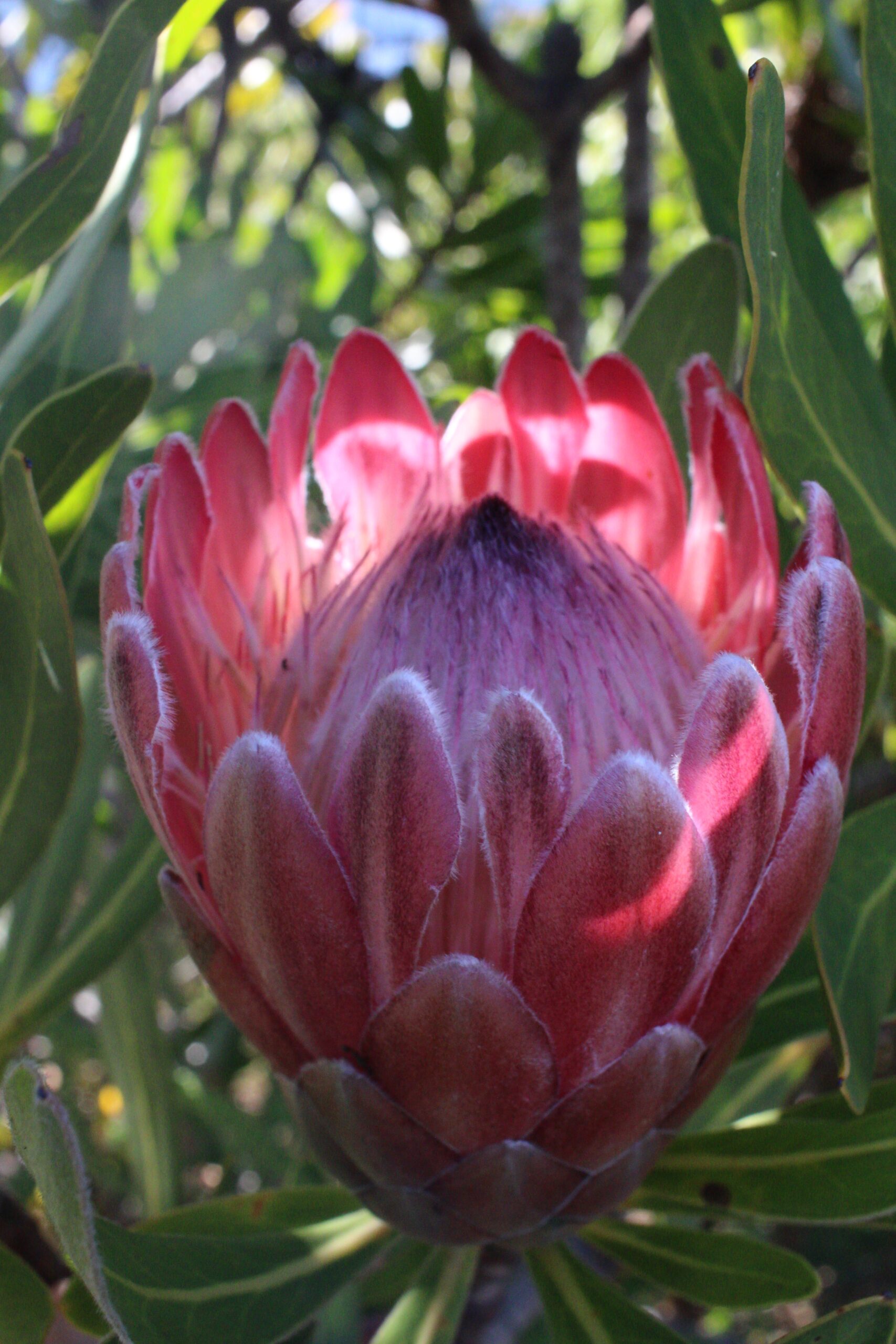
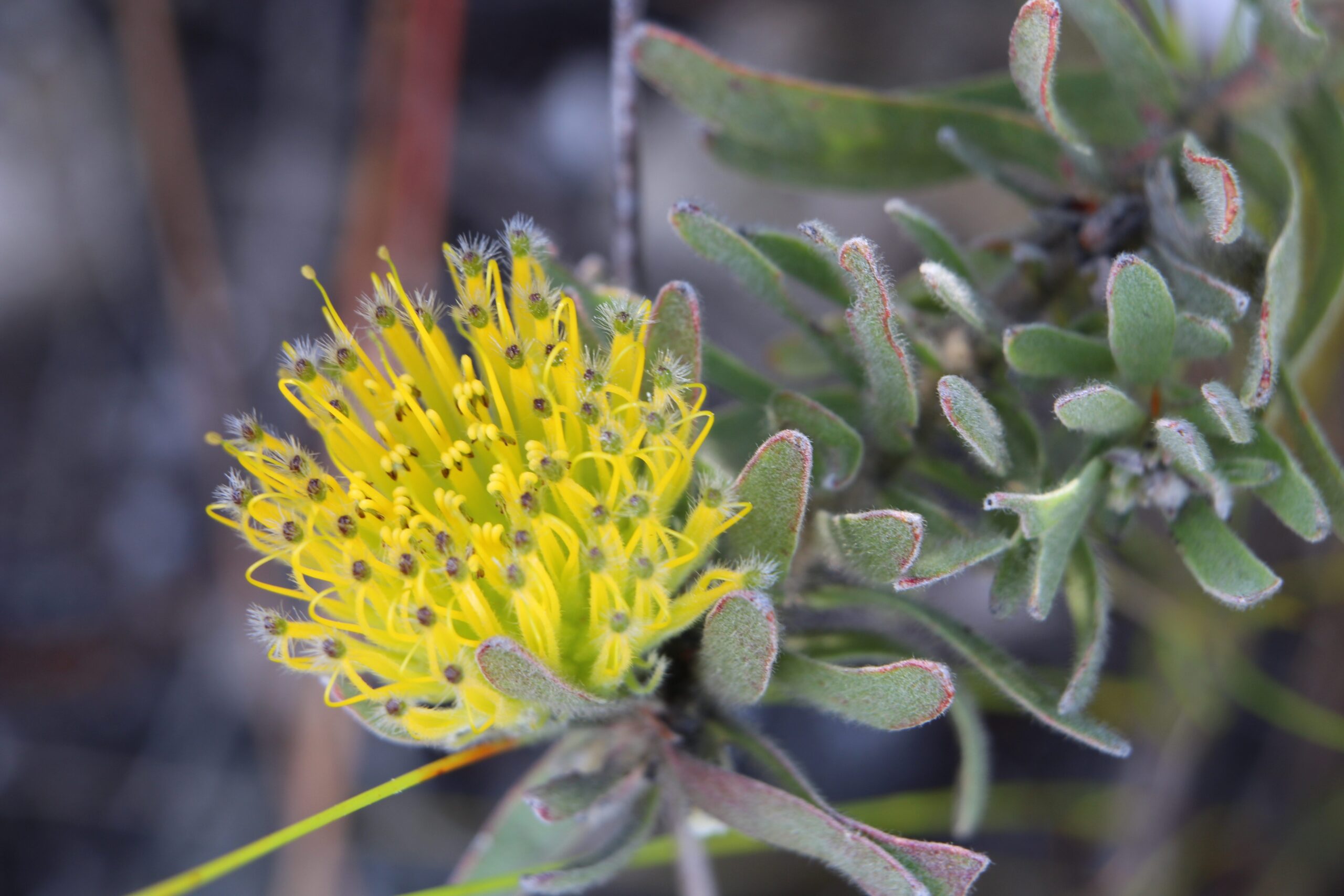
Despite the dominance of the fynbos it is largely confined to the mountains and coastal sands of the Western Cape Province. Three plant families characterize the fynbos; Proteas (Proteaceae), Heaths (Ericaceae – the biggest by number of species) and Cape Reeds (Restionaceae). In addition there are seven endemic or near-endemic fynbos families; Blacktips (Bruniaceae), Guyalone (Geissolomaceae), Sillyberry (Grubbiaceae), Brickleaf (Penaeaceae), Buttbush (Retziaceae), Dewstick (Roridulaceae) and Candlestick (Stilbaceae).