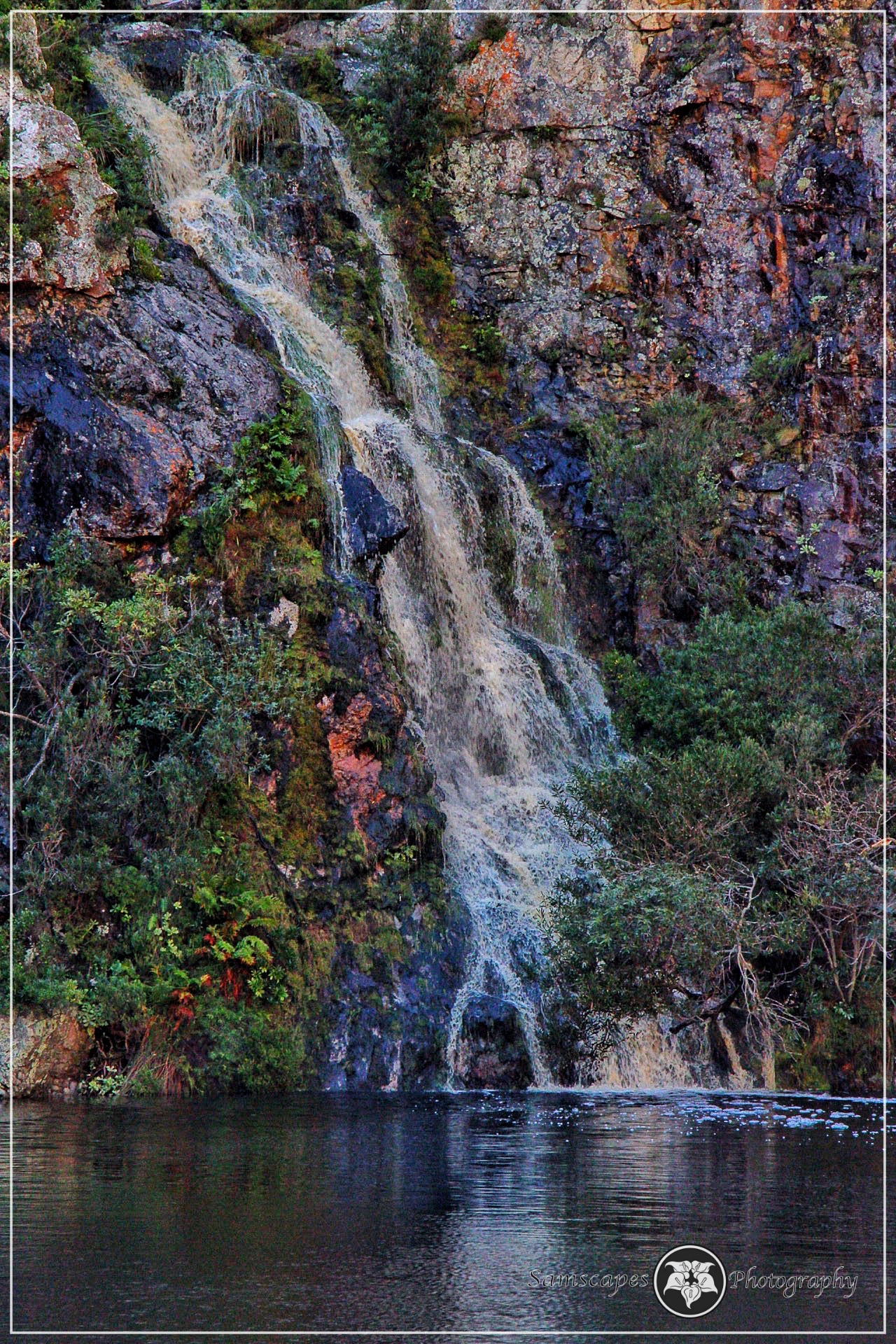
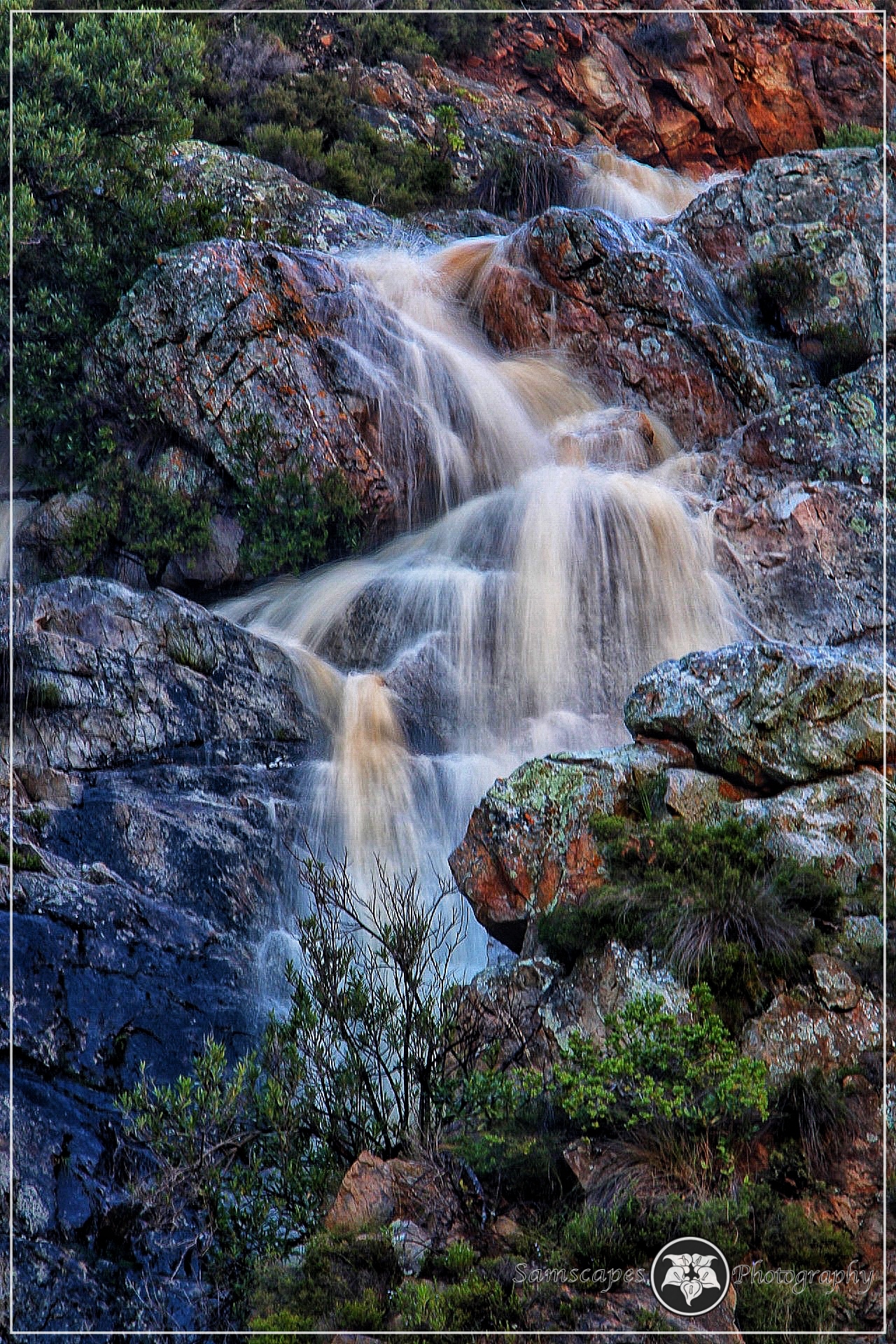
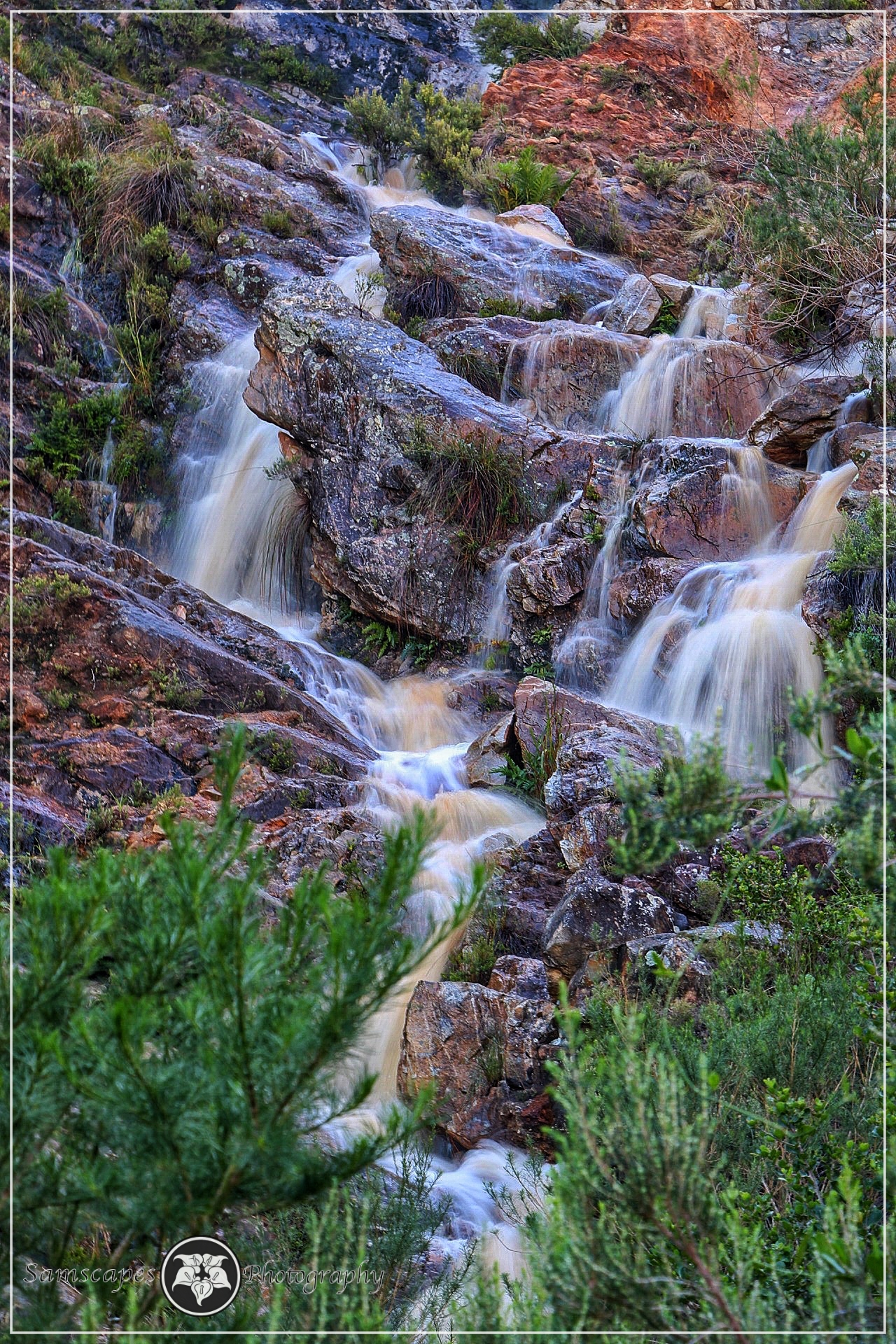
After heavy rains the previous days my son and I headed up the mountain to see the the waterfalls at the Three Dams. We were not disappointed. The water from the dams were cascading down the mountains in overflow to the Mossel River. These are my images taken with a slow shutter speed to get the silky effect of the flowing water.
The Mossel River starts off high up in the mountains above Hermanus, where it starts off as a small stream crossing The Jeep Track. It is halted in its progress by the Three Dams. The dams were built in 1930 by The Mossel River and Poole’s Bay Village Management Boardsas a water source for these townships. Today these are suburbs of Greater Hermanus and are called Voëlklip and Eastcliff. The Mossel River continues down through a green belt, flows under the bridge at the Voēlklip Traffic Circle and joins the Cliff Path, where it tumbles out to sea over the rocks at Mossel River Beach.
The Dams are known as The High level Arch Dam, The PJ Luyt Arch Dam and The Rockhill Dam. Once used as a water supply, the dams no longer serve that purpose and are used as a source of grey water for various purposes, including irrigation of the Golf Course. It is also a very popular recreation area for locals in the hot summer months to swim and picnic.
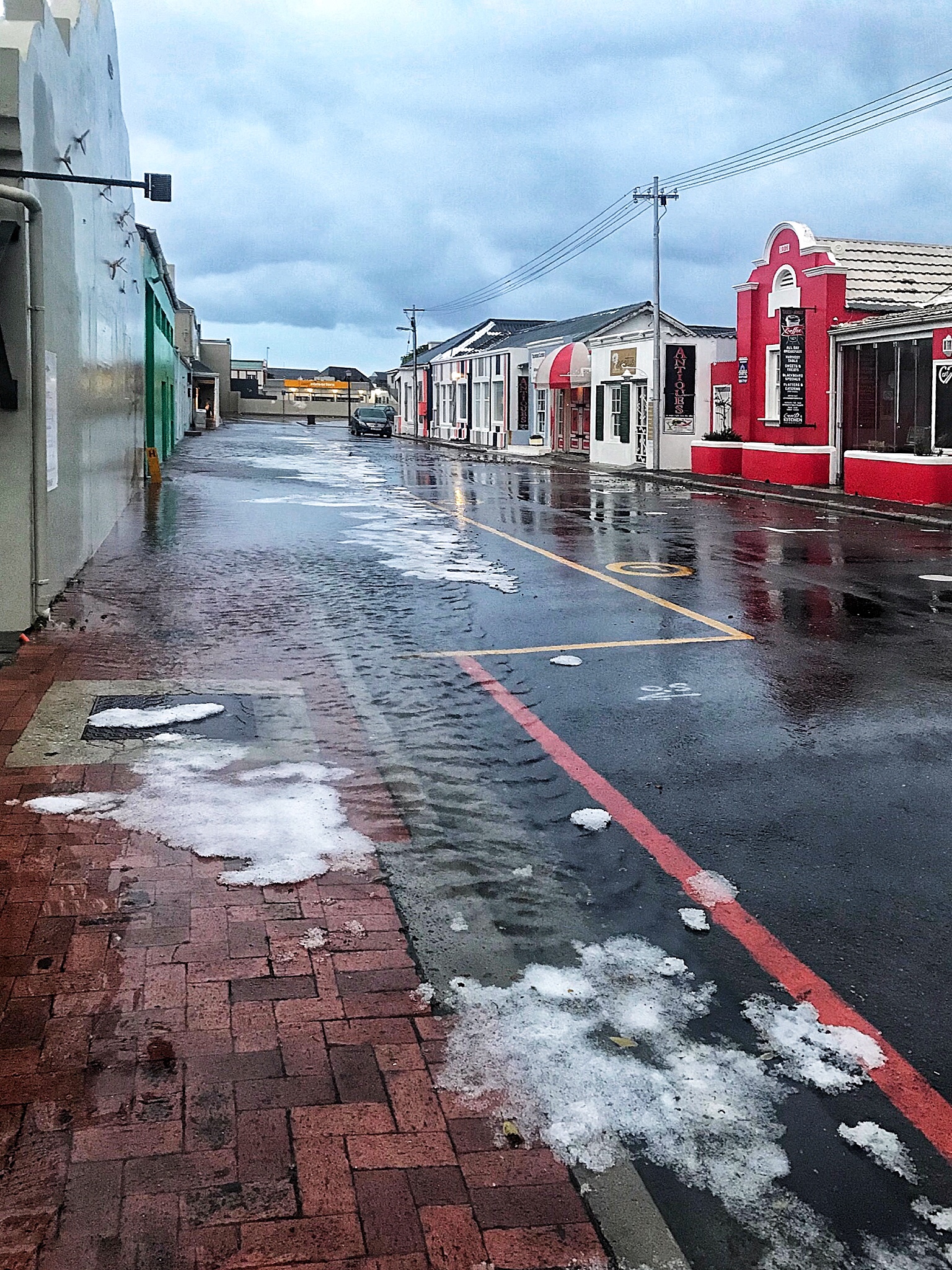
These are photos I took with my cellphone during a cold front on Wednesday and Thursday last week on 10 and 11 June 2020. It’s been a very long time since we’ve had a proper Cape Winter. And this year promises to be one. Maybe all the lock-downs worldwide have had one good outcome in that our weather patterns are normalizing. The droughts we’ve had the last couple of years have been intense. Even now before the front our dam was on 34%.
Cape Town has long been known by mariners to these waters as the Cape of Storms. I live in a small seaside town called Hermanus, which is ideal for taking wonderful photographs as it is renown for its beauty and land based whale watching.
Just love these white daisies with their colourful centres.
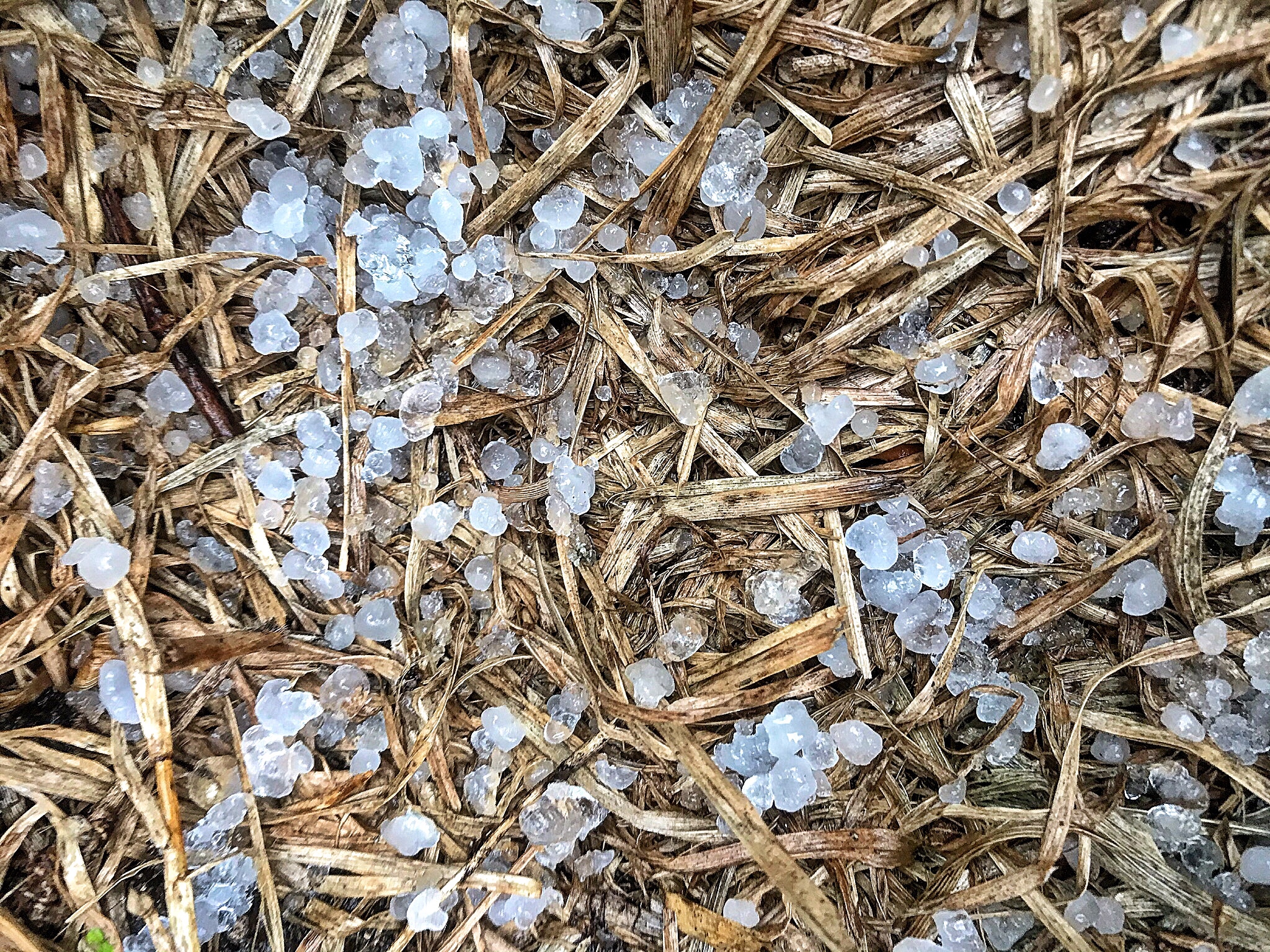
Today is a really icy day in the Cape Of Storms, the name given by old mariners to Cape Town. Because it is raining and hailing, I am stuck indoors, so I am posting a shot of a daisy I took when the sun was shining and I could walk on my beloved Cliff Path.
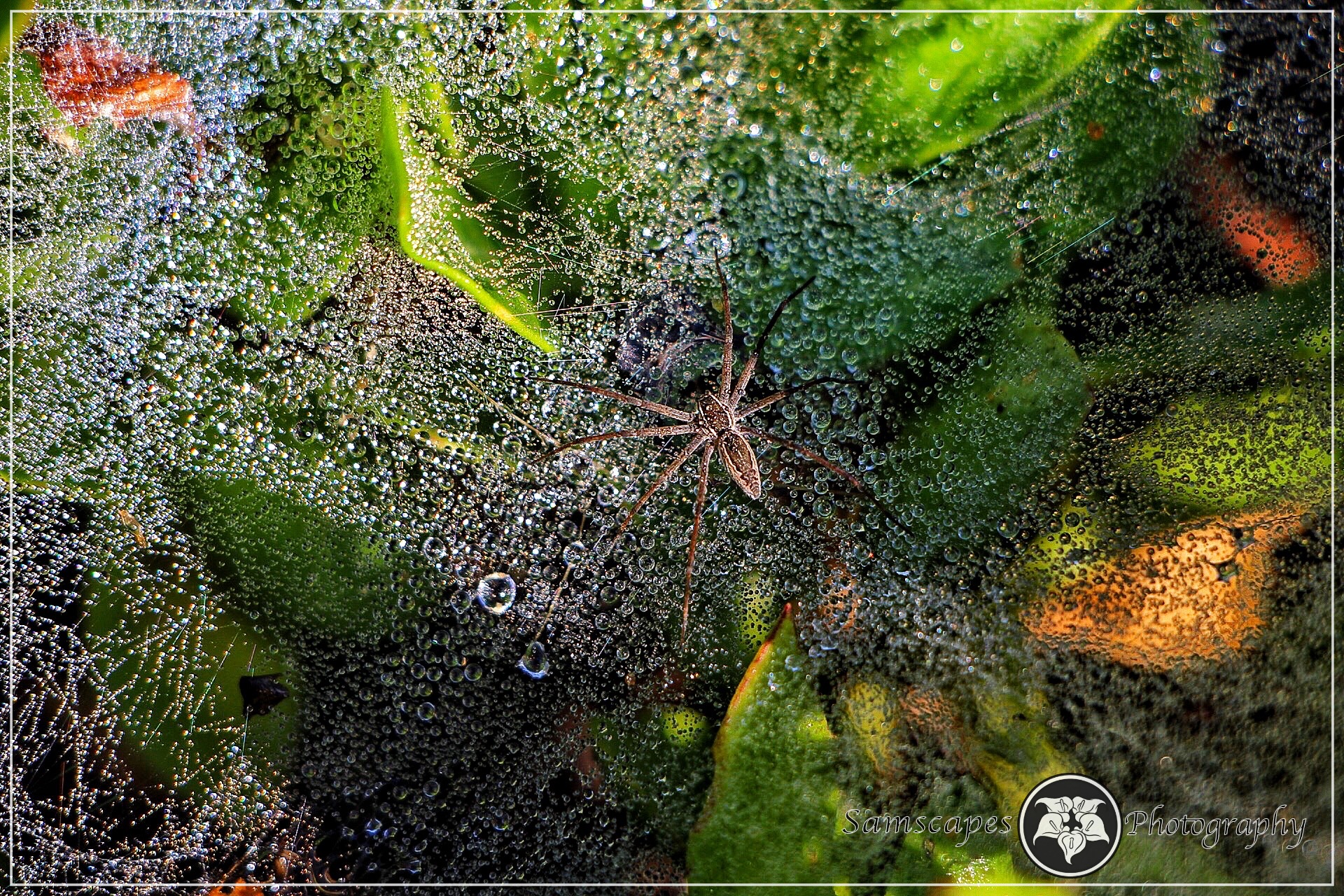
The Common Grass Spider – Agelenidae is a large family of spiders in the suborderAraneomorphae. Well known examples include the common grass spider, of the genus Agelenopsis. Most of these spiders are harmless to humans but the bite of theHobo Spider (Eratigena agrestis) has been known to cause necrotic lesions.
It started with an early morning walk while the dew was thick on the ground. We spotted some ground webs and when I came back with my camera I caught this shot of the sunlight on the dew droplets of the web as well as the spider patrolling the web. It took me a while to identify the spider.
Common Grass Spider, is a Funnel Weaver.
These spiders build a flat sheets of non sticky web with a funnel – shaped retreat to one side or in the middle, depending on the species. This is why the common name for the group is funnel weaver. However do not confuse these spiders with funnel web spiders from the mygalomorph family.
These spiders are from the fastest runners and their hunting strategy is to build a web in the open on either grass or scrubland. They wait for the arrival of their prey such as grasshoppers that fall onto the sheet web and even though it is not sticky it is full of entangling filaments that the spider keeps laying down while moving across the web. The filaments catch in the slightest projection of the preys body or legs. The web is also springy and the spider reacts to the slightest vibration in the web. Prey is set upon and given a venomous bite which paralyses it and whereby it is dragged to the lair and devoured. Males are less successful hunters than females.
These spiders are known to find spots in houses to nest, either inside or outside under window ledges. They are not pests nor do they eat pests. They are quite selective in their prey. They will return to their webs after nesting.
They are social spiders and build complex communal webs in Africa. Social activities include communal web building, co operating to capture prey and communal rearing of young .
Lazy Lob and Crazy Cobare weaving webs to wind me.
I am far more sweet than other meat,
but still they cannot find me!Excerpt from poem in The Hobbit by J.R.R Tolkien
These winter mornings have a beauty all of their own. I captured these photographs of the dew drops on the Nasturtium Leaves in my garden. The early morning sun turned the droplets into glints of silver and gold. Love the bokeh that the light on the droplets caused.
This is my all time favorite spot for climbing down the cliffs of the Cliff Path in Hermanus, and taking photographs of the swells as they throw themselves against the rock face. This spot is quite close to Siever’s Punt and is called Die Eiland.
LangbaaiBikini Beach.Grotto Beach And The Klein River Estuary.
On those days that I can rouse myself to get up and go out into the cold to exercise during our crazy exercise hours here in South Africa, during lockdown, the imagery is truly beautiful. These are photos taken between Langbaai and The Klein River Estuary at the far end of Grotto Beach.
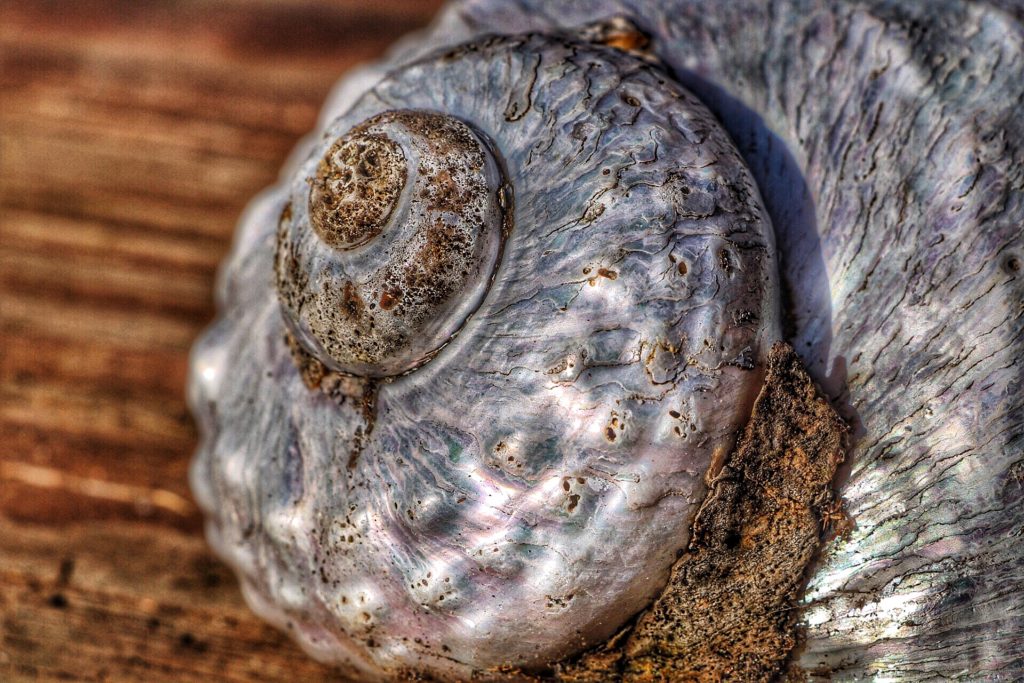
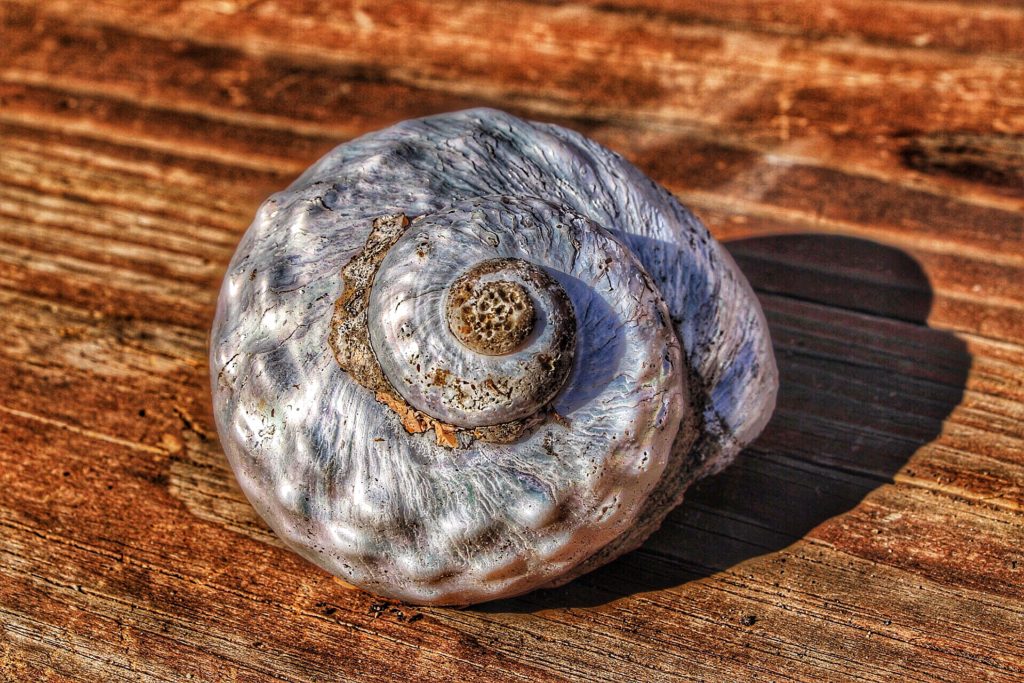
Giant Turbo Snail, Turban Snail, Giant Sea Snail, Arikreukel in our local language. This Gastropod is a mollusk with many names. In my home town of HERMANUS, we have streets and guest houses named after this Sea Snail.
Once plentiful, these beautiful shells are now harder to find. I remember my parents making a curry with the minced meat from the snails body when I was a teenager.
Many folks in my home town decorate their gardens with the shells, and this is a shell from my garden.Artisans clean the shells to the mother of pearl and use it for jewelry or keepsakes for tourists.